Across Music Film And Gaming Creativity Is Becoming More Immersive
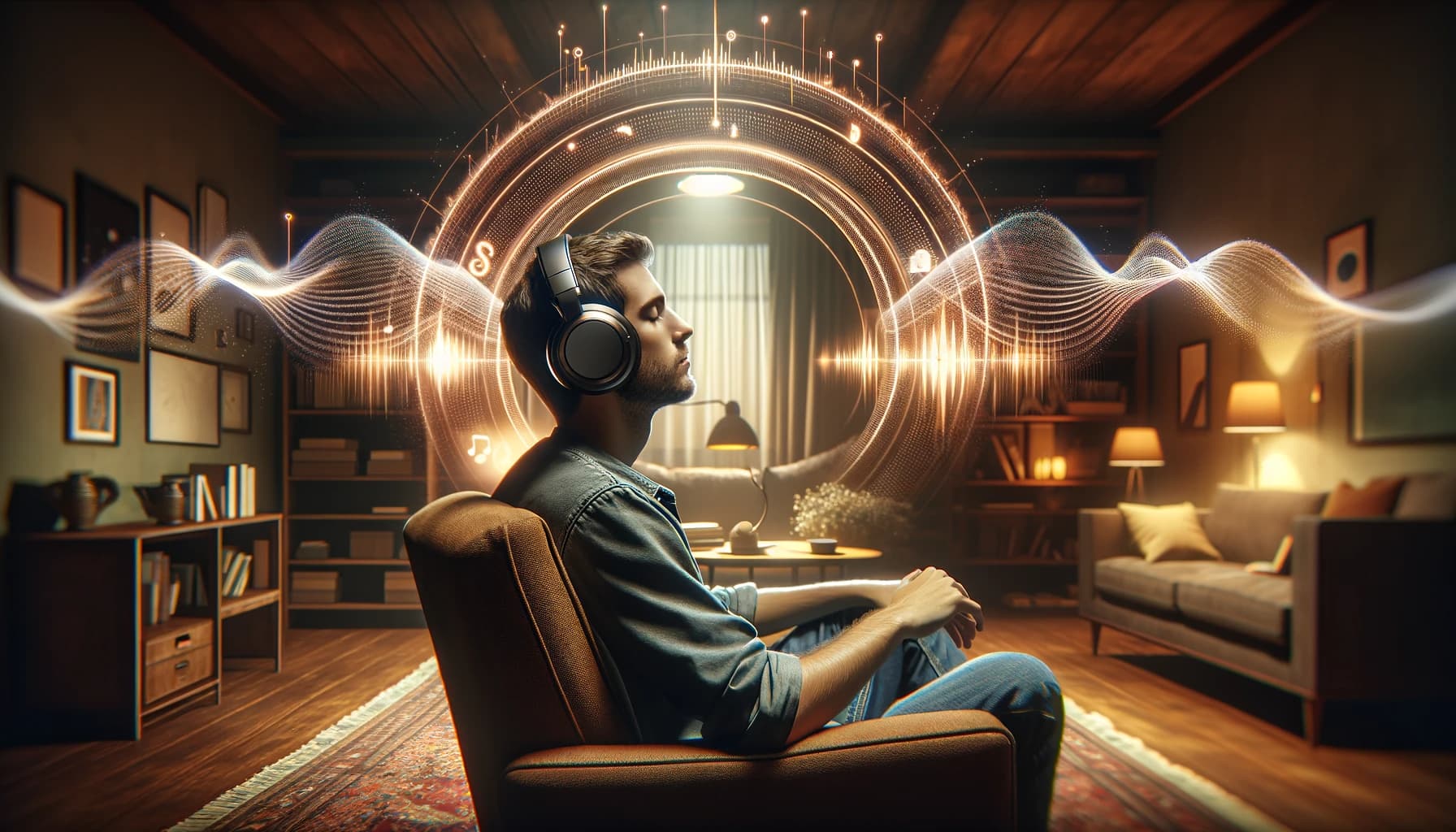
Entertainment is no longer limited to passive viewing or listening. Across music, film, and gaming, creativity is evolving into something far more interactive and immersive. Audiences today expect experiences that allow them to feel connected to stories, emotions, and virtual environments in ways that were impossible just a decade ago. Technology has become a driving force behind this transformation, allowing creators to build worlds that engage people on multiple sensory and emotional levels.
The rise of immersive creativity is changing how people consume entertainment. Instead of simply watching a movie or listening to an album, audiences now participate in experiences that blend visuals, sound, storytelling, and interaction. This shift is redefining the future of entertainment industries around the world.
The Evolution Of Interactive Entertainment
Modern audiences are seeking deeper emotional engagement from entertainment content. Streaming platforms, virtual concerts, interactive storytelling, and open world games are all examples of how creativity is becoming more immersive. People want experiences that make them feel involved rather than disconnected observers.
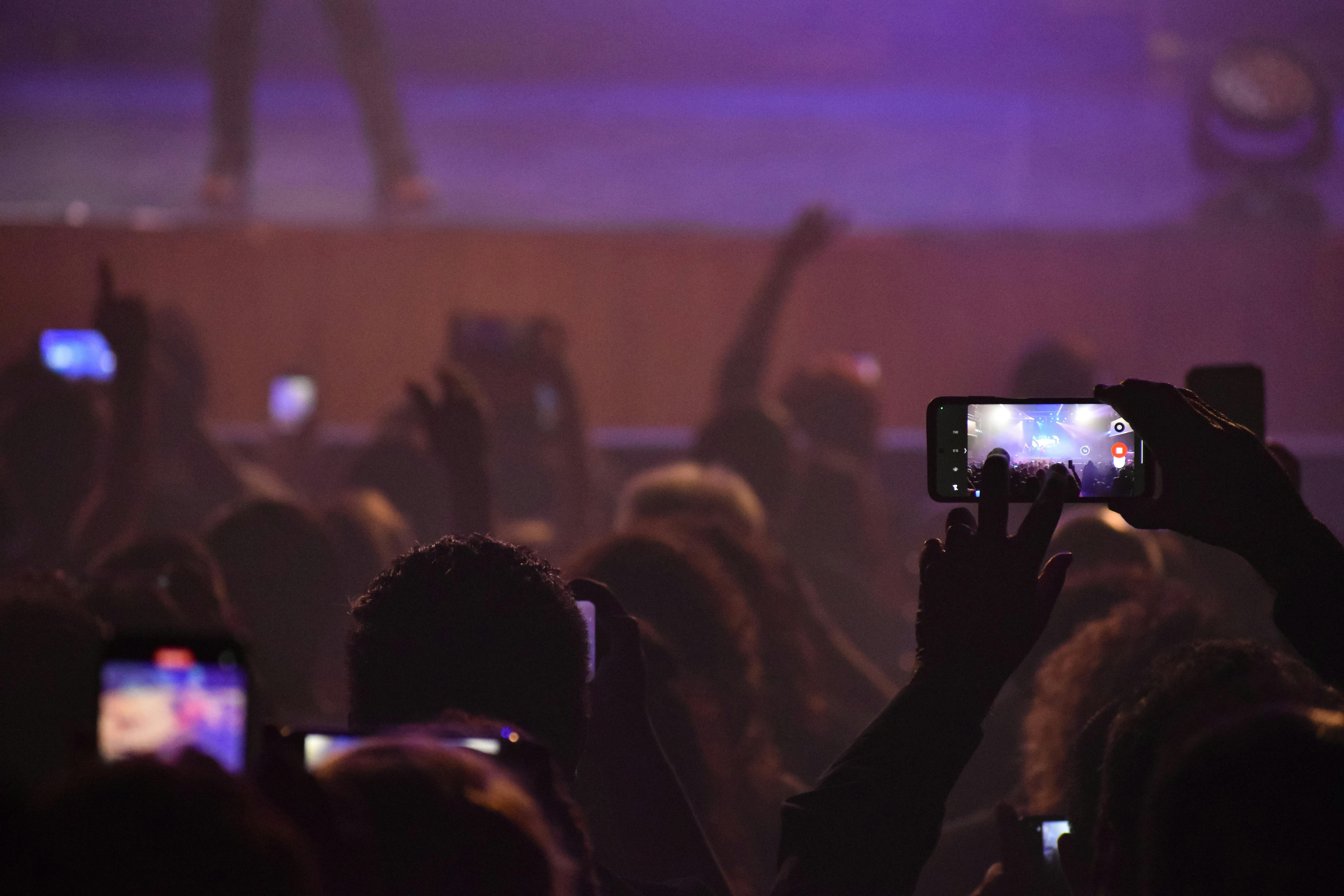
Music artists are now using virtual reality stages, interactive album visuals, and live digital performances to connect with global audiences. Film creators are experimenting with advanced visual effects, immersive sound systems, and audience driven narratives. Gaming companies are pushing boundaries even further by creating environments where players can influence story outcomes and shape entire virtual worlds.
This growing demand for engagement has encouraged creators to combine artistic imagination with advanced technology. The result is an entertainment landscape that feels more dynamic and emotionally impactful than ever before.
Technology Is Expanding Creative Possibilities
New technologies are allowing creators to experiment in ways that were once considered impossible. Artificial intelligence, augmented reality, virtual reality, and advanced motion capture systems are helping artists create highly detailed experiences that blur the line between reality and fiction.
Many creators featured on a modern tech and entertainment blog often discuss how immersive technologies are changing storytelling methods. Virtual production studios now allow filmmakers to build digital environments in real time, while musicians can create performances that combine physical stages with digital worlds.
Gaming has perhaps experienced the biggest transformation. Advanced graphics engines and realistic sound design have created worlds that feel incredibly lifelike. Players are no longer just completing missions. They are emotionally connecting with characters, environments, and narratives that evolve according to their decisions.
The Influence Of Social Media And Digital Communities
Social media has also played a major role in immersive creativity. Fans now interact directly with artists, filmmakers, and gaming communities through livestreams, online events, and collaborative platforms. This level of accessibility has changed the relationship between creators and audiences.
Communities built around shared interests contribute ideas, feedback, and creative inspiration. Entertainment is becoming more community driven, where audiences influence trends and shape future projects. Digital fandoms now help determine what becomes successful and culturally relevant.
Discussions on a growing digital marketing blog frequently highlight how brands and creators use immersive content to maintain audience engagement. Interactive campaigns, behind the scenes experiences, and gamified promotions are becoming powerful tools for attracting loyal audiences in competitive entertainment markets.
Film And Gaming Are Merging Creative Styles
The line separating films and games is gradually disappearing. Many modern games feature cinematic storytelling that rivals major Hollywood productions. Likewise, filmmakers are incorporating game inspired visuals and interactive elements into movies and streaming projects.
Open world games now include emotional narratives, realistic dialogue, and cinematic camera work. At the same time, some films experiment with audience controlled story directions and immersive digital experiences. This creative overlap is producing a new form of storytelling that combines the strengths of both industries.
As immersive entertainment expands globally, even broader media conversations such as politics news australia occasionally discuss how digital entertainment industries influence culture, education, and public communication. Governments and businesses are paying attention to how these industries shape social trends and technological innovation.
The Business Side Of Immersive Creativity
Immersive entertainment is not only changing artistic expression. It is also creating new economic opportunities. Music companies, streaming platforms, gaming studios, and technology firms are investing heavily in immersive experiences because audiences are willing to spend more on engaging content.
Virtual concerts, premium gaming experiences, and interactive film subscriptions are generating new revenue streams. Independent creators also have greater opportunities to reach global audiences through online platforms and digital marketplaces.
Many creative startups and entertainment businesses are now listed in an australian business directory as the country continues to support innovation in media, gaming, and digital production. The entertainment sector is becoming a major contributor to economic growth as immersive technology continues to evolve.
Audiences Want Emotional Connection
One of the biggest reasons immersive creativity is becoming popular is because people want emotional connection. Entertainment today is not just about distraction. It is about feeling part of something larger and more meaningful.
Music can create emotional atmospheres during live virtual performances. Films can place viewers inside dramatic scenes through immersive visuals and sound. Games allow players to experience stories firsthand instead of simply watching characters from a distance.
This emotional engagement creates stronger memories and deeper loyalty among audiences. People are more likely to return to experiences that make them feel emotionally involved and personally connected.
Opportunities For Future Creators
The future of immersive creativity will depend on creators who can combine artistic storytelling with technological understanding. Young musicians, filmmakers, designers, and developers are entering industries where creativity and digital innovation are closely connected.
Online platforms offering opportunities such as write for us marketing programs are helping new creators share insights about entertainment trends, audience engagement, and emerging technologies. These spaces encourage collaboration between creative professionals and digital innovators.
As immersive entertainment continues to evolve, the industries of music, film, and gaming will likely become even more interconnected. Audiences will continue seeking experiences that feel personal, emotional, and interactive.
Conclusion
Across music, film, and gaming, creativity is becoming more immersive because audiences want deeper engagement and more meaningful experiences. Technology has opened new creative possibilities that allow artists and developers to connect with people in ways that feel highly personal and emotionally powerful. The future of entertainment will not simply focus on what people watch or hear. It will focus on what people feel and experience. As innovation continues to reshape storytelling, immersive creativity will remain one of the most exciting forces driving the entertainment industry forward.