How Technology Continues To Blur The Line Between Reality And Entertainment?
Technology has transformed entertainment in ways that were once unimaginable. What used to be clearly separated, real life and fictional experiences, is now increasingly intertwined. From immersive digital worlds to personalized content feeds, the boundary between reality and entertainment is becoming less defined. Even platforms like Photosvibes reflect how everyday moments are curated and presented in ways that feel both real and performative. This shift is reshaping how people perceive experiences, interactions, and even their own identities.
The Rise Of Immersive Digital Experiences
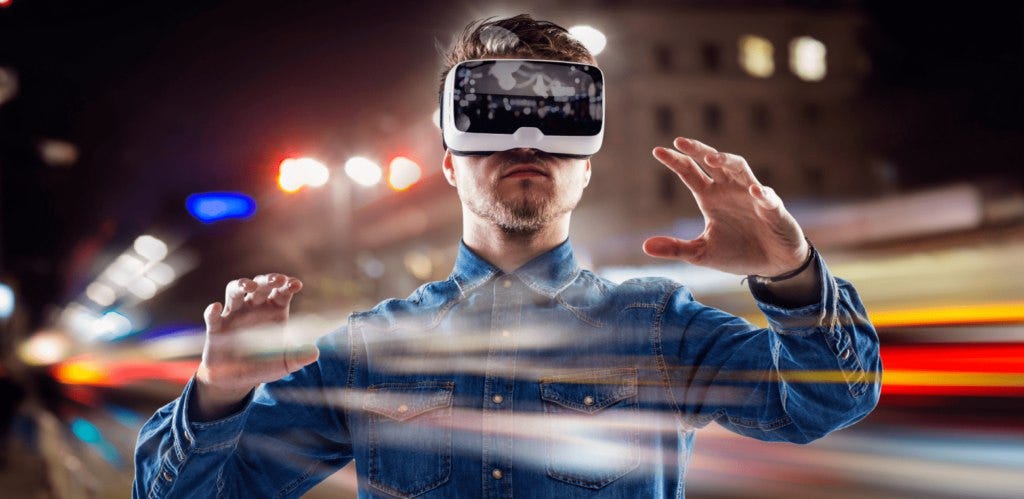
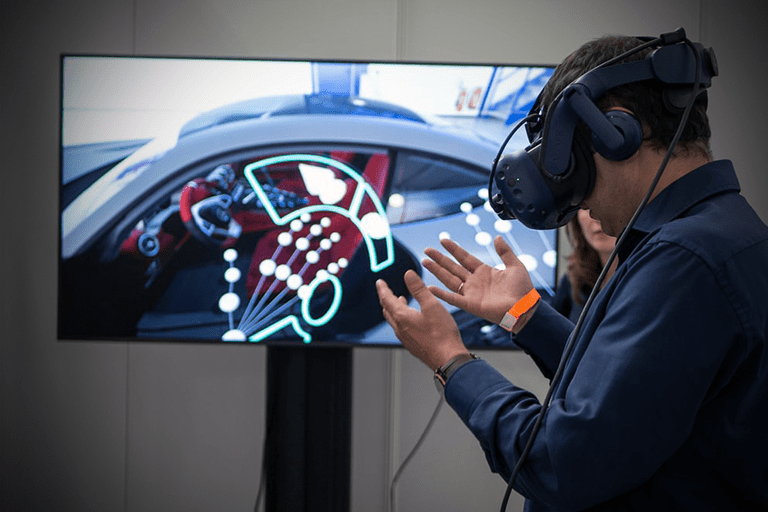
One of the most significant ways technology blurs this line is through immersive experiences. Virtual reality and augmented reality allow users to step into environments that feel incredibly real.
These technologies create spaces where users can interact, explore, and engage in ways that mimic real life. Gaming, virtual tours, and interactive storytelling are no longer just forms of entertainment. They are experiences that simulate reality itself.
As these technologies continue to improve, the distinction between what is real and what is digitally created becomes harder to recognize.
Social Media As A Stage
Social media platforms have turned everyday life into a form of entertainment. People share curated versions of their lives, often blending authenticity with performance.
The concept of personal branding has grown significantly, with individuals presenting themselves in ways that attract attention and engagement. Guidance platforms like pedrovazpaulo coaching highlight how individuals can shape their image and communication in a digital world.
This transformation has made it difficult to separate genuine experiences from those designed for an audience. Reality is no longer just lived, it is also performed.
Real World Systems Becoming Digital Experiences
Technology is also transforming real world systems into digital experiences. Government services, education, and daily activities are increasingly accessed through online platforms.
For example, websites like pmaygnicingramin.com provide access to essential services in a digital format. While these platforms serve practical purposes, their interface and accessibility often resemble user friendly digital experiences similar to entertainment platforms.
This blending of utility and engagement makes everyday tasks feel more interactive and less traditional.
The Role Of Content Personalization
Personalization has become a defining feature of modern technology. Algorithms analyze user behavior to deliver content tailored to individual preferences.
This creates a highly engaging experience where users feel understood and connected. However, it also narrows the line between reality and entertainment by presenting a curated version of the world.
When people constantly interact with content that aligns with their interests, their perception of reality can become shaped by these digital experiences.
Learning And Entertainment Merging Together
Education is no longer confined to traditional methods. Technology has introduced new ways of learning that are interactive and engaging.
For instance, learning tools such as daskhadi in hindi demonstrate how educational content can be delivered in creative and accessible formats. These tools often incorporate elements of entertainment, making learning more enjoyable.
As a result, the distinction between education and entertainment continues to blur, creating a hybrid experience that combines both.
The Influence Of Online Communities
Online communities play a major role in shaping modern entertainment. Platforms like snaptroid reddit allow users to share content, discuss ideas, and engage with others in real time.
These communities create a sense of belonging and interaction that feels real, even though it exists in a digital space. Conversations, opinions, and shared experiences contribute to a collective digital reality.
This blending of social interaction and entertainment further dissolves the boundaries between the physical and virtual worlds.
The Impact On Perception And Identity
As technology continues to blur the line between reality and entertainment, it also affects how people perceive themselves and others.
Individuals may begin to compare their real lives with curated digital experiences, leading to changes in self perception. The pressure to present an ideal image can influence behavior and decision making.
At the same time, technology offers opportunities for self expression and creativity. People can explore different aspects of their identity through digital platforms, creating a dynamic and evolving sense of self.
Challenges And Considerations
While the integration of technology and entertainment offers many benefits, it also presents challenges. The constant exposure to digital content can lead to information overload and reduced attention spans.
There is also a risk of losing touch with reality. When digital experiences become too immersive, it can be difficult to distinguish between what is real and what is constructed.
Maintaining a balance between digital engagement and real life experiences is essential. Awareness and mindful usage of technology can help individuals navigate this evolving landscape.
The Future Of Reality And Entertainment
The future promises even deeper integration of technology and entertainment. Advancements in artificial intelligence, virtual environments, and interactive media will continue to reshape how people experience the world.
As these technologies evolve, the line between reality and entertainment may become almost invisible. Everyday activities could incorporate elements of gamification, personalization, and immersive interaction.
This transformation will redefine not only entertainment but also how people live, learn, and connect.
Conclusion
Technology has fundamentally changed the way reality and entertainment interact. What was once separate is now interconnected, creating experiences that are both engaging and complex. From immersive digital environments to personalized content and online communities, the boundaries continue to shift. While this evolution offers exciting possibilities, it also requires awareness and balance. Ultimately, understanding this dynamic helps individuals make better choices about how they engage with technology, ensuring that it enhances rather than replaces real life experiences.