How Entertainment Consumption Has Changed Over Generations?
Entertainment has always been a vital part of human life, but the way people consume it has evolved dramatically over time. From traditional storytelling and live performances to digital streaming and interactive platforms, each generation experiences entertainment differently. Even simple routines like checking sewayojan login reflect how digital habits are now deeply integrated into daily life. These shifts highlight how technology, culture, and accessibility have reshaped entertainment consumption across generations.
The Era Of Traditional Entertainment
In earlier generations, entertainment was largely community based and limited in variety. People gathered to listen to stories, watch live performances, or enjoy radio programs.
Television later became a central source of entertainment, bringing families together at specific times to watch scheduled programs. There was a sense of anticipation, as content was not available on demand.
This era emphasized shared experiences, where entertainment was consumed collectively rather than individually.
The Rise Of Digital Influence
With the advent of the internet, entertainment began to shift toward digital platforms. People gained access to a vast range of content, allowing them to explore new forms of media.
Websites like royalfronthandmehndidesign.org represent how digital spaces now cater to niche interests, offering specialized content to diverse audiences.
This transition marked the beginning of personalized entertainment, where individuals could choose what to watch, read, or listen to based on their preferences.
Personalization And On Demand Content
One of the biggest changes in entertainment consumption is the move toward on demand content. Streaming services and online platforms allow users to access content anytime, anywhere.
This flexibility has changed viewing habits significantly. Instead of waiting for scheduled programs, people can binge watch entire series or explore content at their own pace.
Personalization algorithms further enhance this experience by recommending content tailored to individual interests, making entertainment more engaging and accessible.
The Impact Of Technology On Creativity
Technology has not only changed how entertainment is consumed but also how it is created. Digital tools have made content creation more accessible, allowing individuals to produce and share their work.
For example, tools like a circle drawer highlight how creative processes have become simpler and more efficient through technology.
This democratization of content creation has led to a surge in independent creators, contributing to a more diverse and dynamic entertainment landscape.
Social Media And Instant Engagement
Social media platforms have introduced a new dimension to entertainment. Content is now shorter, more interactive, and designed for quick consumption.
Users are no longer just consumers, they are also participants. They can comment, share, and create their own content, contributing to a continuous cycle of engagement.
Platforms such as www.anfieldedition.net demonstrate how content is distributed rapidly, reaching global audiences in real time.
This instant engagement has transformed entertainment into a more interactive and dynamic experience.
Generational Differences In Consumption
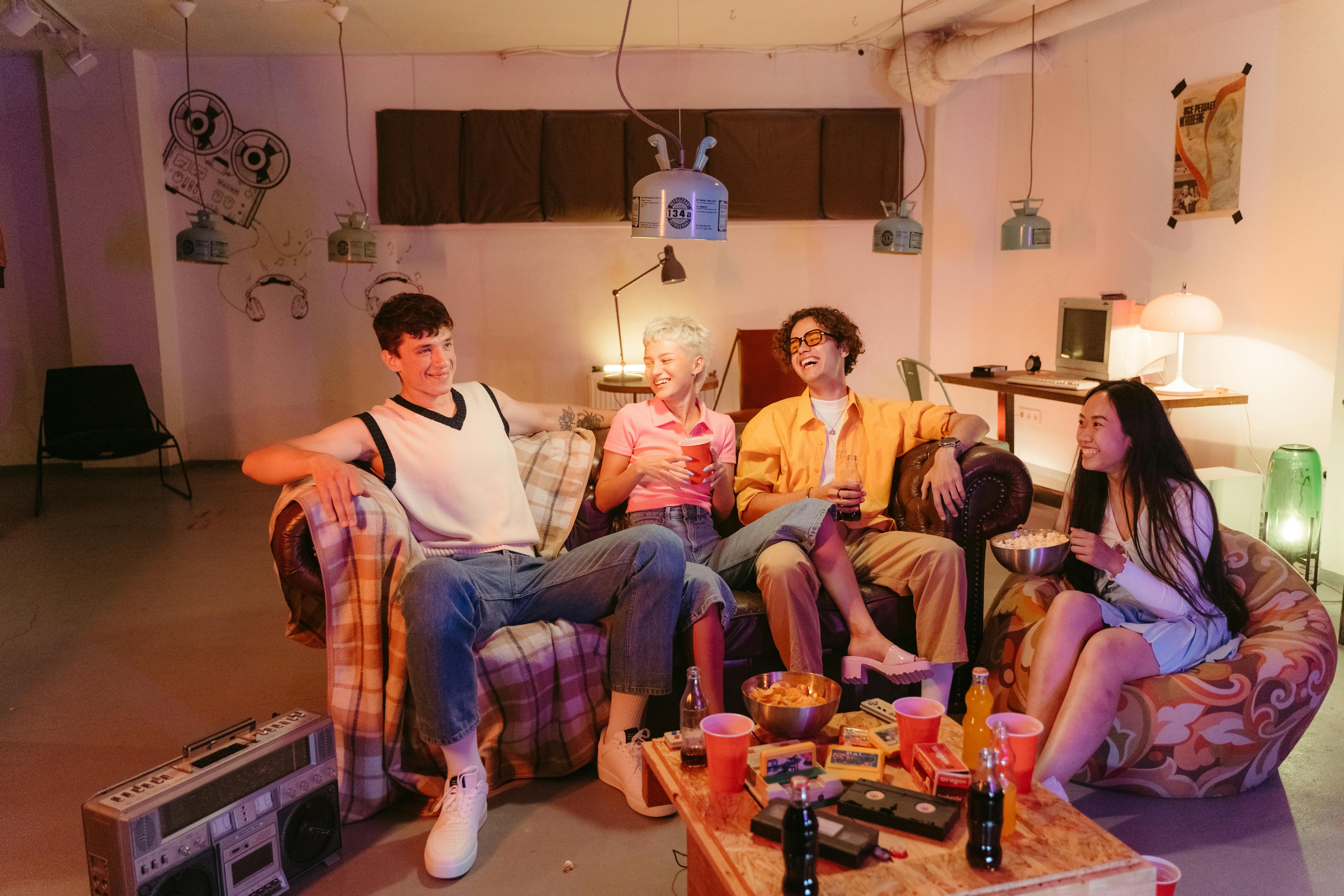
Different generations have distinct preferences when it comes to entertainment. Older generations often value traditional forms of media, while younger audiences prefer digital and interactive experiences.
Younger generations are more inclined toward short form content, social media platforms, and gaming. They prioritize convenience and accessibility, often consuming entertainment on multiple devices.
These differences highlight how entertainment continues to evolve with changing lifestyles and technological advancements.
The Role Of Communities In Entertainment
Communities have always played a role in entertainment, but their nature has changed over time. Online communities now bring together people with shared interests from around the world.
Groups and platforms like sfm compil show how individuals collaborate and share content, creating a sense of belonging in digital spaces.
These communities influence trends, promote content, and shape the overall entertainment landscape.
Challenges Of Modern Entertainment Consumption
While modern entertainment offers convenience and variety, it also presents challenges. The abundance of content can lead to information overload and reduced attention spans.
Constant access to entertainment may also impact productivity and mental well being. Finding a balance between consumption and other aspects of life is essential.
Additionally, the rapid pace of content creation can make it difficult to maintain quality and authenticity.
The Future Of Entertainment
The future of entertainment is likely to be even more immersive and personalized. Technologies such as virtual reality, augmented reality, and artificial intelligence will continue to transform how content is experienced.
Entertainment will become more interactive, allowing users to engage with content in new and innovative ways. The line between creator and consumer will continue to blur.
As technology advances, entertainment will become an even more integral part of everyday life.
Conclusion
Entertainment consumption has undergone significant changes across generations, driven by technological advancements and shifting cultural preferences. From traditional community based experiences to personalized digital content, the evolution has been remarkable. While each generation has its own way of engaging with entertainment, the core purpose remains the same, to inform, inspire, and connect people. Understanding these changes helps individuals navigate the modern entertainment landscape more effectively, ensuring a balanced and meaningful experience.